Why Give Oxygen At End Of Life
Patient comfort, family request, emotional comfort of family, prolongation of life when that was a patient goal,. Breathing in air with added oxygen increases the level of oxygen in the blood.



You wonder what will happen.

Why give oxygen at end of life. Given the complex mechanism of dyspnea, management should be tailored to the individual patient experience and the underlying disease process. They are aggressive, deliberate interventions that are anything but casual. Oxygen therapy is a treatment for patients who have a health condition which causes low levels of oxygen in the blood (hypoxaemia).
There is special care for the mouth that needs to be given. Something more about oxygen at end of life: Some people with breathing disorders can’t get enough oxygen naturally.
The morphine can actually bring comfort from “air hunger” at end of life. This feeling can be scary for patients and those who witness it. The purpose of this study was to investigate the use of oxygen at the end of life and to understand its role in contemporary palliative care practice.
Cpr and ventilators are often classified as heroic measures. Oxygen at the end of life can be considered a comfort measure for the family. Several weeks before death, your loved one may start exhibit a range of behavioral changes relating to their sleeping patterns, eating habits and sociability.
People who receive oxygen therapy often see improved energy levels and sleep, and better quality of life. Oxygen, a gas found in the air we breathe, is necessary for human life. Oxygen therapy for relief of dyspnea • supplemental oxygen can provide relief of.
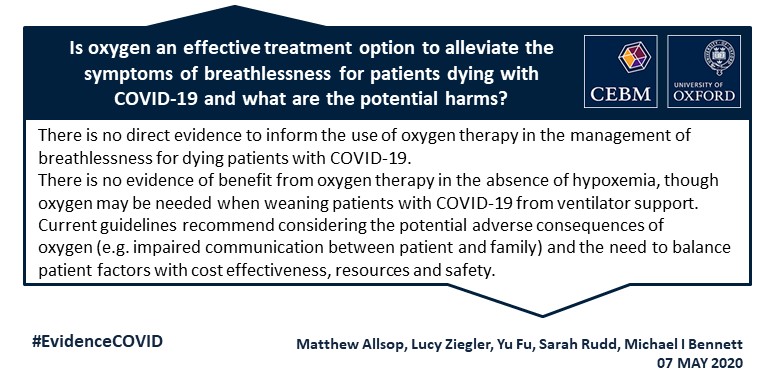
Approximately 75% of dying patients experience difficulty breathing or dyspnea. Turn off the monitors, given them ativan or morphine for dyspnea, give them scopalamine patches for excessive secretions that might tempt some to suction them. Routine use of oxygen in palliative care and at the end of life for the relief of, or palliation of, breathlessness.
It can cause distress, feelings of abandonment and fear that life may be shortened. It is care that helps or soothes a person who is dying. Why do you give a patient oxygen?
In my book the eleventh hour, the companion book to gone from my sight, i go over the use of oxygen in the final days of life. You are probably reading this because someone close to you is dying. The goals are to prevent or relieve suffering as much as possible and to improve quality of life while respecting the dying person's wishes.
• given by mouth (not sq/im). While we think of oxygen being all around us, the air we breathe naturally is only 20% oxygen. They may need supplemental oxygen, or oxygen therapy.
One of the most serious risks of smoking at end of life is the combination of cigarettes and oxygen machines. No clear role for supplemental oxygen has been esta. Every death follows its own course, but home hospice patients generally exhibit several stages of symptoms before passing.
Up to 70 percent of all hospice patients experience dyspnea or other respiratory issues near the end of life, so respiratory therapy is often beneficial to patients without advanced lung or cardiac disease. Delirium (suddenly acting confused and disoriented) can be caused by the progression of the disease, less oxygen reaching the brain, or medications. Given the negative aspects of oxygen therapy, it is likely that during end of life care, the burdens of oxygen therapy may well outweigh the benefits in a significant proportion of patients.
It slows down the number of times a person breaths in and out. It is about caring for the family and significant others as well. Portable medical oxygen is close to 100% oxygen, making it extremely flammable.
My understanding of how to deal with respiratory issues at the end of life is to relieve anxiety of dyspnea and that's about it. Withdrawal of oxygen therapy is, of course, not easy. Listing a study does not mean it has been evaluated by.
What we have learned that seems to be more helpful than administering oxygen is to give a small amount (the operative word here is “small”) of morphine. The high prevalence of dyspnea at the end of life carries with it significant health and economic burden. If it is truly a hospice patient who is actively dying.
Confusion, agitation, and inability to sleep can happen with some people at the end of life. Symptom management at the end of life (for the on‐call practitioner) deborah way md cmd. Respondents cited reasons that staff might use oxygen for these patients:
Oxygen is a basic necessity of life.

0 Response to "Why Give Oxygen At End Of Life"
Posting Komentar